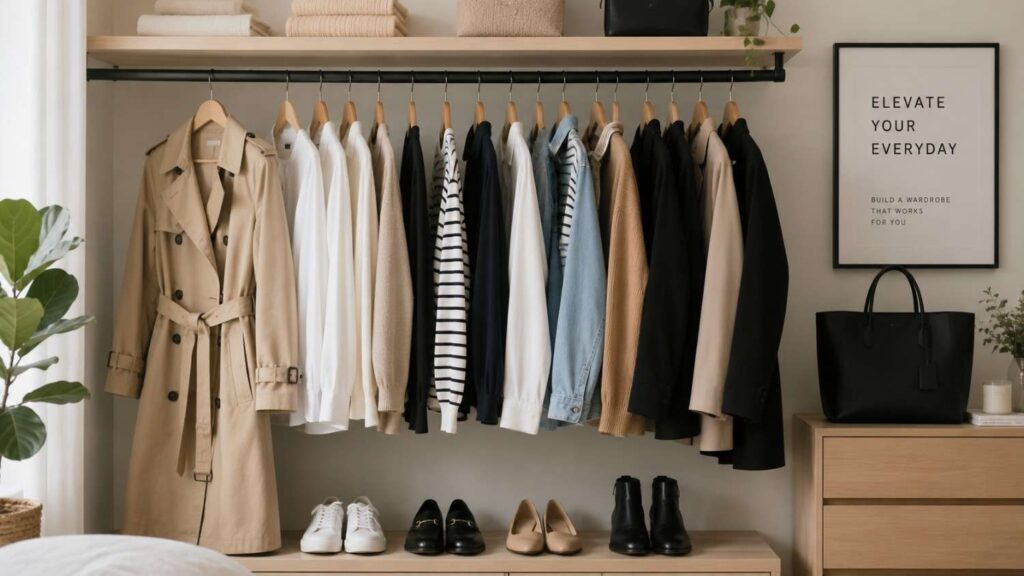
How to Build a Capsule Wardrobe: A Practical Guide for Everyday Style
Learning how to build a capsule wardrobe is not about limiting your style or wearing the same outfit every day. It is about creating a wardrobe that works harder for you. A good capsule wardrobe includes clothes you actually wear, pieces that match easily, and outfits that fit your real lifestyle.
Many people own full closets but still struggle to get dressed because their clothing does not work together. Some items are too formal, some are too casual, some no longer fit, and others were bought without a clear purpose. A capsule wardrobe solves this problem by helping you focus on quality, versatility, comfort, and personal style.
This guide explains the complete process in a practical way. You will learn what a capsule wardrobe means, how to audit your closet, which wardrobe basics to choose, how to create outfit combinations, and how to maintain your wardrobe over time. Whether you are starting from scratch or improving your current closet, this article will help you build a wardrobe that feels organized, stylish, and easy to use.
What This Means in Practice
In practical terms, a capsule wardrobe is a simple styling system. Instead of owning many unrelated clothes, you create a focused collection where most pieces can work together. For example, one white shirt may pair with jeans, tailored trousers, a skirt, or layered under a blazer. A neutral pair of shoes may work for casual days, office outfits, travel, and weekend plans.
This approach makes your wardrobe feel easier to manage because you are not starting from zero every morning. You already know which colors, cuts, and fabrics suit your lifestyle. Over time, this saves energy and reduces the pressure to keep buying new clothes. You can still enjoy fashion, trends, and seasonal updates, but they become intentional choices instead of random purchases.
Who Should Use This Guide
This guide is useful for beginners who feel overwhelmed by a crowded closet, professionals who want easier work outfits, students who need practical everyday clothing, and anyone trying to shop less but dress better. It also works well for people interested in sustainable fashion because it encourages wearing clothes more often and buying only what adds real value.
You do not need a large budget to start. In fact, the most effective capsule wardrobes often begin with clothes you already own. The key is to organize, edit, and style those pieces more thoughtfully. Once your existing wardrobe is clear, you can decide what is truly missing and invest in better pieces over time.
What Is a Capsule Wardrobe?
A capsule wardrobe is a carefully selected group of clothing items that work well together and support your everyday life. It usually includes wardrobe basics, timeless pieces, seasonal items, shoes, and accessories that can create multiple outfits. The idea is to reduce clutter while increasing outfit options.
A capsule wardrobe does not mean you must own only black, white, beige, or grey clothing. It also does not mean you must follow someone else’s exact checklist. Your capsule should match your personal style, body shape, climate, work routine, cultural preferences, and lifestyle needs. A person who works in a formal office will need different clothing from someone who works remotely or travels often.
The real purpose of a capsule wardrobe is clarity. When your closet is filled with pieces that fit well, match easily, and feel good to wear, getting dressed becomes much simpler. Instead of buying more clothes to solve outfit problems, you learn to use fewer pieces in smarter ways. This is why capsule wardrobes are popular among people who want a cleaner closet, better outfit planning, and more intentional shopping habits.
Capsule Wardrobe Meaning in Simple Words
In simple words, a capsule wardrobe is a smaller, smarter closet. It contains clothes that you enjoy wearing and can style in several ways. Instead of keeping random items that only work for one occasion, you focus on versatile pieces that support many parts of your life. This may include casual outfits, work outfits, travel clothing, weekend wear, and seasonal layers.
For example, a well-chosen blazer can be worn with trousers for work, jeans for dinner, or a dress for a polished casual look. A pair of straight-leg jeans can work with T-shirts, sweaters, button-down shirts, or tailored jackets. These pieces become useful because they are not limited to one outfit.
The main benefit is that your wardrobe becomes more functional. You no longer need to dig through piles of clothing to find something that works. Your closet becomes easier to understand because every item has a purpose, a place, and several styling options.
Capsule Wardrobe vs Minimalist Wardrobe
A capsule wardrobe and a minimalist wardrobe are related, but they are not exactly the same. A minimalist wardrobe usually focuses on owning fewer items and keeping the overall look simple, clean, and often neutral. A capsule wardrobe focuses more on function, outfit coordination, and versatility. You can have a colorful capsule wardrobe, a modest capsule wardrobe, a creative capsule wardrobe, or a professional capsule wardrobe.
This difference matters because many beginners think capsule wardrobes must look plain. That is not true. A capsule wardrobe can include prints, textures, statement accessories, and seasonal colors as long as the pieces work well together. The goal is not to remove your personality. The goal is to remove confusion.
If you enjoy fashion, you can still build a capsule wardrobe. You simply become more selective. Instead of buying every trend, you choose the trends that fit your existing wardrobe and personal style. This keeps your closet fresh without making it chaotic.
Why Capsule Wardrobes Are Popular
Capsule wardrobes are popular because they solve a very common problem: owning many clothes but still feeling like there is nothing to wear. This usually happens when a wardrobe has too many disconnected pieces. Some items may be trendy but hard to style. Others may be uncomfortable, outdated, or unsuitable for your current routine.
A capsule wardrobe makes the closet more intentional. It helps you identify what you actually wear, what you need, and what no longer serves you. This approach also supports better shopping habits. Instead of buying clothes because they are on sale or trending, you start asking whether they fit your wardrobe, lifestyle, and outfit formulas.
Another reason capsule wardrobes are popular is their connection to sustainable fashion. Wearing clothes more often, caring for them properly, and buying fewer unnecessary items can reduce waste. While a capsule wardrobe is not the only answer to fashion waste, it encourages more mindful clothing choices and better long-term use.
Benefits of Building a Capsule Wardrobe
Building a capsule wardrobe can improve the way you dress, shop, organize, and think about personal style. It gives you a clear system for choosing clothes instead of relying on impulse purchases or last-minute outfit decisions. When your wardrobe is organized around useful pieces, you can create more outfits with less effort.
One of the biggest benefits is reduced decision fatigue. Many people waste time each morning because their closet is full but not functional. A capsule wardrobe removes unnecessary choices and keeps the most useful pieces visible. This makes it easier to get dressed for work, errands, meetings, travel, or casual plans.
A capsule wardrobe can also help you spend money more wisely. When you know what you already own and what is missing, you are less likely to buy duplicate items or clothes that do not match anything. Over time, this can lead to fewer purchases, better quality choices, and more confidence in your personal style. It also supports closet organization because every item has a clear purpose.
It Saves Time Every Morning
A capsule wardrobe saves time because most pieces already work together. You do not need to try on several outfits before finding something that feels right. If your tops, bottoms, shoes, and layers share a clear color palette and style direction, outfit planning becomes much faster.
This is especially helpful for busy people. Professionals can create reliable work outfit formulas. Parents can choose comfortable clothing that still looks put together. Students can build easy everyday outfits without overthinking. Travelers can pack lighter because each item can be worn more than one way.
The time-saving benefit becomes stronger once you learn your favorite outfit formulas. For example, you may know that a fitted T-shirt, blazer, straight-leg jeans, and loafers always works for a smart casual look. Once you trust these combinations, getting dressed becomes less stressful. You spend less time searching and more time starting your day with confidence.
It Helps You Shop More Intentionally
A capsule wardrobe changes the way you shop. Instead of asking, “Do I like this item?” you start asking better questions: “Will I wear this often?” “Does it match what I already own?” “Can I style it at least three ways?” “Does it fill a real wardrobe gap?” These questions help prevent wasteful purchases.
Intentional shopping does not mean you must always buy expensive clothing. It means you choose items with purpose. Sometimes that may be a high-quality coat you wear for years. Other times it may be an affordable basic that fits well and supports many outfits. The key is knowing why the item belongs in your wardrobe.
In my experience, one of the best shopping habits is keeping a wardrobe gap list. After your wardrobe audit, write down what is missing. This could be black trousers, comfortable sneakers, a warm coat, or better layering tops. When you shop from a list, you are less likely to be distracted by items that do not serve your style goals.
It Can Reduce Clothing Waste
A capsule wardrobe encourages people to buy less and use their clothes more often. This matters because textile waste is a major issue. According to the U.S. Environmental Protection Agency, textile recycling rates remain low compared with the amount of clothing and fabric waste generated each year. This shows why better clothing habits are important.
When you build a capsule wardrobe, you become more aware of what enters and leaves your closet. You are more likely to repair small damage, care for fabrics properly, donate responsibly, and avoid buying clothes you will rarely wear. These small actions can make your wardrobe more sustainable.
However, it is important to be realistic. A capsule wardrobe should not make you feel guilty about owning clothes or enjoying fashion. The purpose is progress, not perfection. If you buy fewer low-use items and wear your best pieces more often, you are already moving toward a healthier and more thoughtful wardrobe system.
How to Build a Capsule Wardrobe Step by Step
The best way to understand how to build a capsule wardrobe is to follow a clear process. Many beginners make the mistake of shopping first. They buy new basics, neutral colors, or items from online checklists before understanding what they already own. This often creates more clutter instead of solving the problem.
A better approach starts with observation. Look at your current wardrobe, your daily routine, your favorite outfits, and the clothes you avoid wearing. This gives you useful information. You may discover that you need more casual basics, better workwear, more comfortable shoes, or fewer statement items. You may also realize that some pieces are useful but need tailoring, cleaning, or better styling.
Once you understand your wardrobe, you can build a capsule that fits your life. This process includes a wardrobe audit, lifestyle planning, color selection, and choosing core pieces. You do not have to complete everything in one day. In fact, the best capsule wardrobes are built gradually because they reflect real habits, not rushed decisions.
| Step | Main Focus | Key Action | Expected Result |
|---|---|---|---|
| 1 | Wardrobe Audit | Sort clothes into keep, repair, donate, and unsure | Identify what already works |
| 2 | Lifestyle Planning | Choose clothing based on daily activities | Build a wardrobe that matches your routine |
| 3 | Core Pieces | Select versatile tops, bottoms, layers, and shoes | Create multiple outfit combinations |
| 4 | Color Coordination | Build around neutral colors with accent shades | Easier mix-and-match styling |
| 5 | Outfit Planning | Create repeatable outfit formulas | Save time getting dressed |
| 6 | Seasonal Review | Update and maintain the wardrobe regularly | Keep the capsule practical year-round |
Step 1: Do a Wardrobe Audit
A wardrobe audit is the first and most important step. Take your clothes out of the closet and review them by category. Look at tops, bottoms, dresses, jackets, shoes, accessories, and seasonal items separately. This makes the process easier and prevents you from feeling overwhelmed.
Create four groups: keep, repair, donate or sell, and unsure. The keep pile should include clothes that fit well, feel comfortable, match your lifestyle, and can be styled with other pieces. The repair pile is for items that need tailoring, cleaning, buttons, zippers, or small fixes. The donate or sell pile is for items in good condition that no longer serve you. The unsure pile gives you time to think without making rushed decisions.
As you review each item, ask whether you would buy it again today. This question is powerful because it separates useful clothing from emotional clutter. If an item does not fit, does not feel good, or has not been worn in a long time, it may not belong in your capsule wardrobe.
Step 2: Choose Your Lifestyle Categories
Your capsule wardrobe should be based on your actual lifestyle, not an ideal version of it. Before choosing pieces, write down how you spend most of your week. Consider work, home life, exercise, social events, travel, religious or cultural needs, weather, and special occasions.
For example, if you work from home, you may need comfortable but presentable clothing for video calls and daily routines. If you work in a corporate office, you may need tailored trousers, blouses, shirts, blazers, and polished shoes. If you travel often, you may need wrinkle-resistant clothing, comfortable layers, and shoes that work across different settings.
This step prevents common wardrobe mistakes. Many people own too many clothes for a lifestyle they rarely live. You may have too many formal pieces and not enough everyday basics, or too many casual clothes and not enough polished outfits. A capsule wardrobe works best when it reflects your real schedule.
Step 3: Build Around Core Pieces
After your wardrobe audit and lifestyle review, start building around core pieces. These are the items that create the foundation of your capsule wardrobe. They usually include everyday tops, reliable bottoms, practical layers, outerwear, shoes, and a few accessories.
Core pieces should be versatile, comfortable, and easy to style. Examples include plain T-shirts, button-down shirts, straight-leg jeans, tailored trousers, knitwear, a blazer, a denim jacket, a trench coat, sneakers, loafers, boots, and a simple everyday bag. Your exact list may look different depending on your lifestyle and climate.
The goal is to choose pieces that support multiple outfits. A good core item should not feel useful only once. It should work with several other items in your closet. Before adding anything new, check whether it matches your color palette, fits your lifestyle categories, and can be worn in different combinations. This is where your capsule wardrobe becomes practical instead of just stylish.
Capsule Wardrobe Essentials Checklist
A capsule wardrobe essentials checklist gives structure to the process, but it should not become a strict rule. The right wardrobe depends on your climate, work environment, personal taste, laundry routine, and daily responsibilities. Someone living in a warm climate may need more linen shirts and sandals, while someone in a colder area may need coats, boots, thermal layers, and knitwear.
The purpose of a checklist is to help you identify the main categories every functional wardrobe needs. These usually include tops, bottoms, layers, outerwear, shoes, and accessories. Some people also include dresses, jumpsuits, activewear, or occasion wear depending on their lifestyle.
When using a capsule wardrobe checklist, focus on usefulness rather than quantity. You may not need ten tops if you only wear five regularly. You may need more shoes if your work, exercise, and daily routines require different levels of comfort and formality. The best checklist is flexible. It guides your decisions without forcing you into a wardrobe that does not feel like your own.
Basic Capsule Wardrobe Table
| Category | Suggested Pieces | Why It Matters |
|---|---|---|
| Tops | 6–10 | T-shirts, shirts, blouses, or knit tops for daily outfits |
| Bottoms | 4–6 | Jeans, trousers, skirts, or shorts that match most tops |
| Layers | 3–5 | Blazer, cardigan, denim jacket, or light jacket |
| Outerwear | 1–3 | Coat, trench, raincoat, or winter jacket based on climate |
| Shoes | 3–5 | Sneakers, flats, boots, sandals, loafers, or formal shoes |
| Dresses/Jumpsuits | 1–4 | Optional pieces based on personal style and lifestyle |
| Accessories | 5–10 | Belts, bags, scarves, jewelry, hats, or watches |
This table is a practical starting point for beginners. It gives you enough variety for daily outfits without creating an overcrowded closet. However, you should adjust the numbers based on your routine. If you dress formally five days a week, you may need more workwear. If you live casually, you may need more denim, relaxed trousers, and comfortable tops.
The most important part is balance. A capsule wardrobe should not be so small that it becomes stressful. It should give you enough options to feel prepared, clean, and confident. If every item has a purpose and works with other pieces, your wardrobe will feel complete even with fewer clothes.
Best Colors for a Capsule Wardrobe
Color planning is one of the easiest ways to make a capsule wardrobe work. Start with base colors that match most of your clothing. Common base colors include black, white, cream, navy, grey, beige, brown, and denim blue. These colors are popular because they are easy to combine and can be styled for different occasions.
After choosing base colors, add accent colors that reflect your personality. These could be olive, burgundy, blush, rust, emerald, soft blue, or any shade you enjoy wearing. The key is to choose colors that work with your main wardrobe rather than compete with it. A capsule wardrobe can include color, but it should still feel coordinated.
A simple example could be navy, white, beige, denim, and olive. Another could be black, grey, cream, camel, and burgundy. Once your palette is clear, shopping becomes easier. You can quickly decide whether a new item will blend with your wardrobe or create styling problems.
Fabrics and Quality Details to Check
Fabric quality matters because capsule wardrobe pieces are worn often. If an item loses shape, fades quickly, feels uncomfortable, or requires difficult care, it may not be a good choice for a capsule wardrobe. Look for fabrics that match your lifestyle and climate. Cotton, denim, wool, linen, and good-quality blends can all work depending on the item.
Check how the fabric feels against your skin, how it moves, and whether it wrinkles easily. A crisp cotton shirt may be perfect for work, while a soft knit top may be better for casual days. Linen is breathable but wrinkles naturally, so it works best if you are comfortable with a relaxed look. Wool can be warm and long-lasting, but it may require special care.
Care labels are also important. If you dislike dry cleaning, avoid building your capsule around high-maintenance pieces. A useful wardrobe should be easy to care for, not stressful. Before buying, check washing instructions, fabric content, stitching, buttons, zippers, lining, and overall construction.
How to Plan Outfits From a Capsule Wardrobe
Once your capsule wardrobe is organized, the next step is learning how to create outfits from it. This is where the real value appears. A capsule wardrobe is not only about owning fewer clothes; it is about using your clothes better. When your pieces are selected carefully, you can create many outfit combinations without needing a large closet.
Outfit planning helps you understand which pieces are truly versatile. You may discover that one shirt works with four bottoms, or one blazer instantly improves several casual outfits. You may also notice weak spots, such as shoes that do not match your preferred outfits or tops that only work with one pair of trousers.
The goal is to create repeatable outfit formulas that make dressing easier. These formulas can be casual, professional, relaxed, polished, or seasonal. Once you know what works, you can repeat the structure while changing colors, accessories, shoes, or layers. This keeps your style consistent without feeling repetitive.
Use the 3-Outfit Rule
The 3-outfit rule is one of the most useful capsule wardrobe principles. Before keeping or buying an item, ask whether you can style it in at least three different outfits. If the answer is no, the item may not be versatile enough for your capsule wardrobe.
For example, a striped shirt could be worn with jeans and sneakers for a casual look, tucked into trousers with loafers for work, or layered under a sweater with boots for cooler weather. A black dress could work with sandals in summer, a blazer for work, or tights and boots in winter. This rule helps you see the true value of each item.
The 3-outfit rule also reduces impulse shopping. If you find a beautiful piece but cannot imagine several ways to wear it, you may want to pause before buying. This does not mean every item must be basic. It simply means every item should earn its place.
Create Outfit Formulas
Outfit formulas are repeatable combinations that make getting dressed easier. They are especially helpful when you want to look polished without spending too much time planning. A formula gives you a structure, but you can still adjust the details based on mood, weather, or occasion.
Examples include a T-shirt, blazer, jeans, and loafers for smart casual days. Another formula could be a button-down shirt, tailored trousers, belt, and flats for work. For colder weather, you might use a knit sweater, straight-leg jeans, long coat, and ankle boots. For warm weather, a tank top, linen trousers, sandals, and a lightweight shirt can work well.
These formulas help your wardrobe feel larger than it is. You are not repeating the exact same outfit every day. You are repeating a reliable structure while changing fabrics, colors, shoes, and accessories. This keeps your style simple but not boring.
Add Personality With Accessories
Accessories are powerful because they can change the mood of an outfit without adding too many clothes to your wardrobe. A belt, scarf, watch, necklace, bag, or pair of shoes can make a simple outfit feel more personal and complete. This is especially helpful if your main capsule pieces are neutral or classic.
For example, a plain white shirt and jeans can look relaxed with sneakers and a canvas tote. The same outfit can feel more polished with loafers, a leather belt, and structured bag. A black dress can look simple during the day and more elevated at night with jewelry and dressier shoes.
I recommend using accessories to express personality while keeping core clothing pieces versatile. This gives you flexibility without creating closet clutter. If you enjoy trends, accessories are also a lower-risk way to try them because they are easier to rotate than major wardrobe pieces.
Common Capsule Wardrobe Mistakes to Avoid
A capsule wardrobe should make your life easier, but many people make the process too strict. They remove too many clothes, buy too many new basics, or copy someone else’s wardrobe without considering their own lifestyle. These mistakes can make the capsule feel frustrating instead of helpful.
The best capsule wardrobe is practical, personal, and flexible. It should support your daily routine, not force you into a style that feels unnatural. If you love color, keep color. If you need variety, allow variety. If your work and personal life require different clothing, plan for both. A capsule wardrobe is a tool, not a punishment.
Avoiding common mistakes will help you build a wardrobe that lasts. The goal is not to create a perfect closet overnight. The goal is to improve your relationship with clothing, understand what you wear, and make better decisions over time. Start slowly, observe your habits, and adjust as needed.
Do Not Throw Everything Away
One of the biggest mistakes beginners make is removing too many clothes too quickly. They see beautiful capsule wardrobe examples online and feel pressured to start over. This can lead to regret, unnecessary spending, and a wardrobe that no longer supports real life.
Instead of throwing everything away, edit carefully. Keep clothes that fit well, feel comfortable, and match your current lifestyle. Even if an item is not trendy, it may still be useful. A simple cardigan, good jeans, or comfortable shoes may become an important part of your capsule wardrobe.
If you are unsure about certain pieces, place them in a temporary storage box for 30 to 60 days. If you miss them or need them, bring them back. If you forget about them, it may be easier to let them go. This slower approach helps you declutter with confidence instead of emotion.
Do Not Copy Someone Else’s Checklist Exactly
Online capsule wardrobe checklists can be helpful, but they should not control your entire wardrobe. A checklist created for a cold climate, corporate job, or neutral style may not work for your life. Your wardrobe should reflect your daily routine, body shape, comfort needs, culture, and personal taste.
For example, some checklists include a trench coat, white button-down shirt, black blazer, and ankle boots. These are useful for many people, but not everyone needs them. If you live in a hot climate, work casually, or prefer modest clothing, your essentials may look very different.
Use checklists as inspiration, not instruction. The best capsule wardrobe essentials are the pieces you actually wear. If a recommended item does not suit your lifestyle, replace it with something better. A capsule wardrobe should feel natural, not forced.
Do Not Ignore Fit and Comfort
Fit and comfort are more important than trends. A capsule wardrobe depends on repeat wear, so every piece should feel good enough to wear often. If trousers pinch at the waist, shoes hurt your feet, or a shirt feels awkward when you move, you will avoid wearing it no matter how stylish it looks.
Pay attention to shoulder seams, sleeve length, waist fit, fabric stretch, rise, neckline, and overall movement. Clothes should support your body, not make you constantly adjust them. If an item is almost right, tailoring may help. Simple alterations such as hemming trousers, adjusting sleeves, or taking in a waist can make a big difference.
Comfort does not mean careless dressing. Well-fitting clothes often look more polished than expensive but uncomfortable pieces. When your capsule wardrobe fits properly, you naturally feel more confident and use your clothes more often.
How to Maintain Your Capsule Wardrobe
Building a capsule wardrobe is only the first stage. Maintaining it is what keeps your closet useful over time. Your lifestyle, body, job, climate, and personal style may change, so your wardrobe should be reviewed regularly. A capsule wardrobe is not something you finish once and never touch again.
Maintenance helps prevent clutter from returning. Even after a strong wardrobe audit, new items can slowly enter your closet through shopping, gifts, events, or lifestyle changes. Without a system, your wardrobe may become crowded again. Regular reviews help you stay aware of what you own and whether each item still works.
A well-maintained capsule wardrobe also saves money. When you care for clothes properly, repair small issues early, and shop only when needed, your clothing lasts longer. This keeps your wardrobe stable and reduces the need for constant replacement. The more you maintain your capsule, the more valuable it becomes.
| Maintenance Practice | Purpose | Benefit |
|---|---|---|
| Review wardrobe every season | Remove unused items and identify gaps | Keeps the wardrobe relevant |
| Follow the one-in, one-out rule | Prevent closet overcrowding | Maintains a manageable collection |
| Repair damaged clothing | Extend garment lifespan | Reduces unnecessary replacements |
| Follow care label instructions | Protect fabric quality | Clothes last longer |
| Store seasonal clothing properly | Save closet space | Better organization |
| Shop only for wardrobe gaps | Avoid impulse buying | Supports a functional capsule wardrobe |
Review Your Wardrobe Every Season
A seasonal review helps you understand what worked and what did not. At the start or end of each season, look at the clothes you wore most often. These pieces show your real preferences. Then look at items you rarely touched. Ask whether they were unsuitable for the weather, hard to style, uncomfortable, or simply unnecessary.
This review also helps you prepare for the next season. You may need to bring coats, sweaters, boots, or rainwear forward. You may need to store heavy items during warmer months. If you live in a place with mild weather, your seasonal changes may be small, but they still matter.
Use this time to check for damage, stains, missing buttons, worn soles, or pieces that need cleaning. A seasonal review keeps your wardrobe fresh and functional. It also prevents last-minute shopping because you can identify needs before the season fully begins.
Follow a One-In, One-Out Rule
The one-in, one-out rule is a simple way to control wardrobe growth. When you buy a new item, consider removing one item that no longer works. This keeps your closet balanced and prevents clutter from slowly returning.
This rule is especially helpful if you tend to shop often or keep clothes “just in case.” It encourages you to think about whether the new item is truly better than something you already own. If you buy a new pair of jeans, for example, you might remove an older pair that no longer fits well or feels outdated.
You do not have to follow this rule perfectly every time. Some seasons may require adding more than you remove, especially if your lifestyle changes. However, using this rule as a habit helps keep your capsule wardrobe intentional. It reminds you that closet space is valuable.
Care for Clothes Properly
Proper care helps your capsule wardrobe last longer. Since capsule pieces are worn often, they need regular attention. Follow care labels, wash clothes only when needed, use gentle cycles when appropriate, and avoid over-drying fabrics that may shrink or weaken. Good clothing care protects both appearance and fit.
Small repairs also matter. Fix loose buttons, small holes, fallen hems, and worn soles early. These minor issues can make clothes look neglected if ignored, but they are often easy to solve. Keeping a small repair kit or using a local tailor can extend the life of your favorite pieces.
Storage is another important part of clothing care. Hang structured pieces, fold knitwear to prevent stretching, store shoes properly, and keep seasonal items clean before putting them away. A capsule wardrobe works best when clothes are easy to see, easy to access, and ready to wear.
Quick Answer About How to Build a Capsule Wardrobe
To build a capsule wardrobe, start by reviewing the clothes you already own and identifying the pieces you wear most often. Then remove items that no longer fit, feel uncomfortable, or do not match your current lifestyle. After that, choose a small collection of versatile clothing pieces that can be mixed and matched easily. These usually include neutral tops, reliable bottoms, practical layers, comfortable shoes, and a few personal style pieces.
The goal is not to create a boring or extremely minimal closet. A capsule wardrobe should still reflect your personality, daily routine, climate, work needs, and comfort preferences. The best capsule wardrobe is one that helps you get dressed faster, shop more intentionally, and feel confident in your outfits.
If you are wondering how to build a capsule wardrobe from scratch, begin with a wardrobe audit before buying anything new. Most people already own useful pieces but need better organization and clearer outfit planning. Once you understand your wardrobe gaps, you can add missing essentials slowly and avoid unnecessary spending.
Frequently Asked Questions
Many beginners have similar questions when learning how to build a capsule wardrobe. They often want to know how many clothes they need, which items are essential, whether a capsule wardrobe can include color, and how to start without spending too much money. These questions are important because they show the practical concerns behind the search.
A capsule wardrobe should not feel confusing or restrictive. It should help you simplify your clothing choices while still allowing enough variety for your lifestyle. The answers below are written for real users who want clear, beginner-friendly guidance without unnecessary rules.
Use these FAQs as quick reference points while building your wardrobe. If you are unsure where to begin, start with the first answer and focus on your current closet before buying anything new. Most capsule wardrobe success comes from editing and styling first, then shopping carefully later.
What is the easiest way to start a capsule wardrobe?
The easiest way to start a capsule wardrobe is to audit your existing closet before buying anything new. Pull out your clothes by category and identify what you wear often, what fits well, what feels comfortable, and what matches your current lifestyle. These pieces will become the foundation of your capsule wardrobe.
Next, remove items that are damaged beyond repair, uncomfortable, outdated for your lifestyle, or difficult to style. Keep an unsure pile if you are not ready to let go of everything immediately. After that, create a list of wardrobe gaps. This may include better basics, comfortable shoes, workwear, or seasonal layers.
Starting this way saves money because you avoid buying items you may not need. It also helps you build a capsule wardrobe that reflects your real habits instead of copying someone else’s closet.
How many pieces should be in a capsule wardrobe?
There is no perfect number of pieces for a capsule wardrobe. Some people feel comfortable with 25 to 35 items, while others need 40 to 60 depending on climate, job, laundry routine, and lifestyle. The right number is the one that gives you enough outfit options without creating clutter.
A smaller capsule may work well if you prefer simple outfits, do laundry often, or live in a mild climate. A larger capsule may be better if you have formal work needs, seasonal weather changes, or several lifestyle categories. Shoes, accessories, outerwear, and occasion wear can also affect the total count.
Instead of focusing only on numbers, focus on function. If every item fits well, matches other pieces, and gets regular use, your capsule wardrobe is working. A useful wardrobe is more important than hitting a strict number.
What are the most important capsule wardrobe essentials?
The most important capsule wardrobe essentials are the pieces that support your everyday outfits. These usually include versatile tops, reliable bottoms, useful layers, comfortable shoes, and outerwear that fits your climate. Common examples include plain T-shirts, button-down shirts, jeans, trousers, sweaters, blazers, sneakers, loafers, boots, and a coat.
However, essentials are personal. If you rarely wear dresses, they do not need to be part of your capsule. If you wear modest clothing, your essentials may include long tunics, wide-leg trousers, cardigans, and scarves. If you work from home, comfortable polished basics may matter more than formal suits.
The best essentials are not just classic items. They are pieces you can wear often, style easily, and feel confident in. Build around your real life first.
Can I build a capsule wardrobe on a budget?
Yes, you can build a capsule wardrobe on a budget. In fact, starting with your existing clothes is the most affordable way to begin. Many people already own useful wardrobe basics but cannot see them clearly because their closet is cluttered. A wardrobe audit helps you find those pieces.
After organizing what you own, create a short list of missing items. Buy slowly instead of replacing everything at once. Look for quality within your budget through sales, thrift stores, resale platforms, clothing swaps, or outlet sections. Avoid buying cheap items only because they are inexpensive if they will not last or match your wardrobe.
A budget capsule wardrobe works best when you shop with purpose. One useful pair of trousers is better than three random pieces that do not create outfits. Focus on fit, comfort, and versatility first.
Is a capsule wardrobe only for neutral colors?
No, a capsule wardrobe does not have to be only neutral colors. Neutral colors are helpful because they make mixing and matching easier, but they are not required. A capsule wardrobe can include bright colors, soft colors, prints, and statement pieces as long as they coordinate with the rest of your closet.
The best approach is to choose a base palette and then add accent colors. For example, your base colors might be black, white, denim, and beige. Your accent colors might be red, olive, or soft blue. This gives your wardrobe structure while still allowing personality.
If you love color, do not remove it just to follow a trend. A capsule wardrobe should make your style easier, not erase it. The key is coordination, not restriction.
How often should I update my capsule wardrobe?
You should review your capsule wardrobe every season or whenever your lifestyle changes. A new job, different climate, body changes, travel needs, parenthood, or a shift in personal style can all affect what your wardrobe needs. Regular reviews help your closet stay useful instead of becoming outdated.
Updating does not mean shopping constantly. Often, it means rearranging, repairing, storing seasonal items, or removing pieces you no longer wear. You may only need to add one or two items after a seasonal review. Other times, you may need a larger update if your lifestyle has changed significantly.
A capsule wardrobe should evolve with you. The goal is not to freeze your style forever. The goal is to keep your wardrobe intentional, organized, and aligned with your current life.
Conclusion
Building a capsule wardrobe is one of the most practical ways to simplify your daily routine and improve your personal style. Instead of relying on a crowded closet filled with disconnected pieces, you create a focused wardrobe where each item has a purpose. This makes getting dressed easier, shopping more intentional, and outfit planning more enjoyable.
The process starts with a wardrobe audit. From there, you identify your lifestyle needs, choose a color palette, build around core wardrobe basics, and create outfit formulas that work for different situations. Over time, you maintain the wardrobe through seasonal reviews, proper clothing care, and thoughtful shopping habits.
If you are learning how to build a capsule wardrobe, remember that the goal is not perfection. You do not need to own the fewest clothes possible, follow every online checklist, or remove all color from your closet. Your capsule wardrobe should feel useful, comfortable, and personal. Start with what you already own, improve slowly, and build a wardrobe that supports your real life.
Final Thoughts
A strong capsule wardrobe is built through awareness, not pressure. The more you understand your clothing habits, the easier it becomes to make better choices. You begin to notice which fabrics you prefer, which colors you wear most, which silhouettes feel best, and which pieces create the most outfit combinations.
This knowledge helps you avoid random shopping and build a wardrobe with long-term value. Instead of chasing every trend, you can choose updates that genuinely fit your style. Instead of feeling overwhelmed by too many options, you can rely on pieces that already work well together.
The best capsule wardrobe is not the one that looks perfect online. It is the one that helps you get dressed with confidence, comfort, and ease. If your wardrobe saves time, reduces stress, and makes you feel like yourself, it is doing its job.